We’re Here to Help With Your Case (512) 375-3303

Austin Assault Defense Lawyer
Arrested for assault in Austin, or told the police want your side of a fight? Call an Austin assault defense lawyer before you give any statement. Your first consultation is free and confidential, and you can reach us after hours. Call (512) 375-3303 or contact us online.
At CMK Defense, PLLC, we defend every level of assault charge in Austin and across Central Texas, from Class C contact charges to first-degree aggravated assault. Many assault cases turn on a few seconds of video and one person’s account. We get that evidence early and test it.

How We Defend Assault Cases
Here is what an assault defense lawyer at CMK Defense, PLLC does first:
- Video and 911 records: We go after body camera and dash camera footage, surveillance and phone video, and 911 recordings before they are lost or overwritten.
- Our own investigation: We interview witnesses the police skipped, document the scene, and review medical records to test whether the injury claimed is really “bodily injury,” let alone “serious bodily injury.”
- Self-defense from day one: If you were protecting yourself or someone else, we build that defense from the start. Learn more about self-defense in Texas.
- Trial preparation and honest advice: We prepare every case as if it will go to a jury, and we advise you based on the evidence in your case, not a standard plea offer.
Assault Charges and Penalties in Texas
Assault in Texas covers everything from an offensive touch to a shooting. The level of the charge depends on the injury alleged, whether a weapon was involved, who the alleged victim is, and your prior record (Texas Penal Code Chapter 22).
Assault Charge Levels at a Glance
| Charge | Level | Punishment range |
|---|---|---|
| Assault causing bodily injury (§ 22.01(a)(1)) | Class A misdemeanor | Up to 1 year in jail and a fine up to $4,000 |
| Threat of imminent bodily injury, or offensive physical contact (§ 22.01(a)(2)–(3)) | Class C misdemeanor (higher for some alleged victims) | Fine up to $500 |
| Bodily injury assault of a family or household member or dating partner, with a prior family violence conviction (including deferred adjudication) or by choking or strangulation (§ 22.01(b)(2)) | Third-degree felony | 2 to 10 years in prison and a fine up to $10,000 |
| Bodily injury assault of a public servant, security officer, emergency or hospital worker, or another person listed in § 22.01(b) | Third-degree felony | 2 to 10 years in prison and a fine up to $10,000 |
| Bodily injury assault of a peace officer or judge, or strangulation by someone with a prior family violence conviction (§ 22.01(b-2), (b-3)) | Second-degree felony | 2 to 20 years in prison and a fine up to $10,000 |
| Aggravated assault: serious bodily injury, or using or showing a deadly weapon (§ 22.02) | Second-degree felony | 2 to 20 years in prison and a fine up to $10,000 |
| Aggravated assault in the circumstances listed in § 22.02(b) | First-degree felony | 5 to 99 years or life in prison and a fine up to $10,000 |
Simple Assault
Assault under § 22.01 covers three kinds of conduct:
- Intentionally, knowingly, or recklessly causing bodily injury to another person
- Intentionally or knowingly threatening someone with imminent bodily injury
- Intentionally or knowingly causing physical contact the person knew or should have known the other person would find offensive or provocative
Bodily injury assault is a Class A misdemeanor. Threat and offensive-contact assaults are usually Class C misdemeanors (fine only), but they are higher when the alleged victim is elderly, disabled, or a sports participant.
When Assault Becomes a Felony
A bodily injury assault becomes a third-degree felony under § 22.01(b) when it is committed against:
- A public servant on duty, or in retaliation for official acts
- A family or household member or dating partner, if the accused has a prior family violence conviction or the assault involved impeding breathing or blood flow (choking or strangulation)
- A security officer, emergency services worker, hospital worker, process server, or utility worker on duty
- A person the accused knows is pregnant
Assault of a peace officer or judge, and strangulation by someone with a prior family violence conviction, are second-degree felonies.
Aggravated Assault
Assault becomes aggravated assault under § 22.02 when it causes serious bodily injury or involves using or showing a deadly weapon. A “deadly weapon” can be an ordinary object, like a car or a bottle, depending on how it was used. Aggravated assault is a second-degree felony. It becomes a first-degree felony when, among other things:
- A deadly weapon is used and causes serious bodily injury to a family or household member or dating partner
- A deadly weapon is used and causes a brain or spine injury resulting in permanent paralysis or a persistent vegetative state
- The alleged victim is a public servant on duty, or the assault is retaliation against a witness, informant, or person who reported a crime
- The accused is a public servant acting under color of office
- The alleged victim is a security officer or process server on duty
- While in or going to or from a vehicle, the accused knowingly fires a gun at or toward a home, building, or vehicle, is reckless about whether it is occupied, and causes injury or property damage or puts someone in fear of serious injury
- The assault is part of a mass shooting
Family Violence Assault
When the alleged victim is a family or household member or dating partner, the charge is usually the same assault offense. The difference is what comes with a conviction: a family violence finding (Article 42.013). That finding can bar you from having firearms under federal law and can affect custody. It also means a later bodily-injury assault of a family or household member or dating partner can be charged as a felony. Even a deferred adjudication counts as a prior for that purpose (§ 22.01(f)). A magistrate can also issue an emergency protective order at your first appearance (Article 17.292), which can keep you away from your own home. See our domestic violence and physical violence pages for more.
Common Defenses to Assault Charges
Depending on the evidence, defenses can include:
- Self-defense (§ 9.31) and defense of others (§ 9.33)
- Defense of property (§§ 9.41–9.42)
- Consent, in the limited situations the law allows (§ 22.06)
- Mistaken identity
- No bodily injury, or no serious bodily injury
- The object was not used as a deadly weapon
- The State cannot prove the required mental state (intent, knowledge, or recklessness)
- Insufficient evidence to prove the charge
When the evidence raises self-defense, the jury must be told that a reasonable doubt on that issue requires a not-guilty verdict (§ 2.03(d)). We also look for violations of your constitutional rights, from unlawful searches to statements taken without proper warnings.
Why Choose CMK Defense, PLLC?
With more than 30 years of combined courtroom experience, our attorneys know how assault cases are built in Travis County and the surrounding counties, and where they fall apart. You work directly with an experienced assault defense lawyer, not a case manager.
Who Handles Your Case
Deniz Kadirhan, partner, has tried numerous felony and misdemeanor jury trials, including aggravated assault and murder cases, and has argued before the Fifth Circuit and the Texas Court of Appeals. She serves on the Board of Directors of the Texas Criminal Defense Lawyers Association.
Angelica Cogliano, partner, has tried cases to verdict in eight states and argued before the Texas Third Court of Appeals, the Fifth Circuit, and the Texas Court of Criminal Appeals. She has kept the State’s experts off the stand in multiple cases and teaches other defense lawyers how to challenge expert testimony; see her speaking and teaching.
Results in Assault Cases
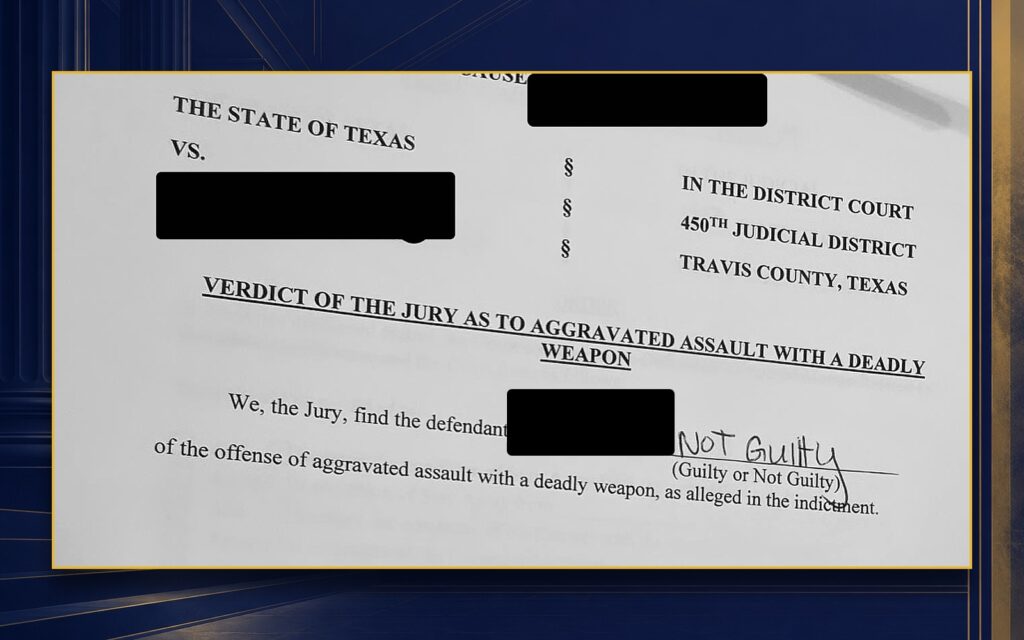
- Aggravated Assault with a Deadly Weapon, Travis County: Not Guilty (jury verdict)
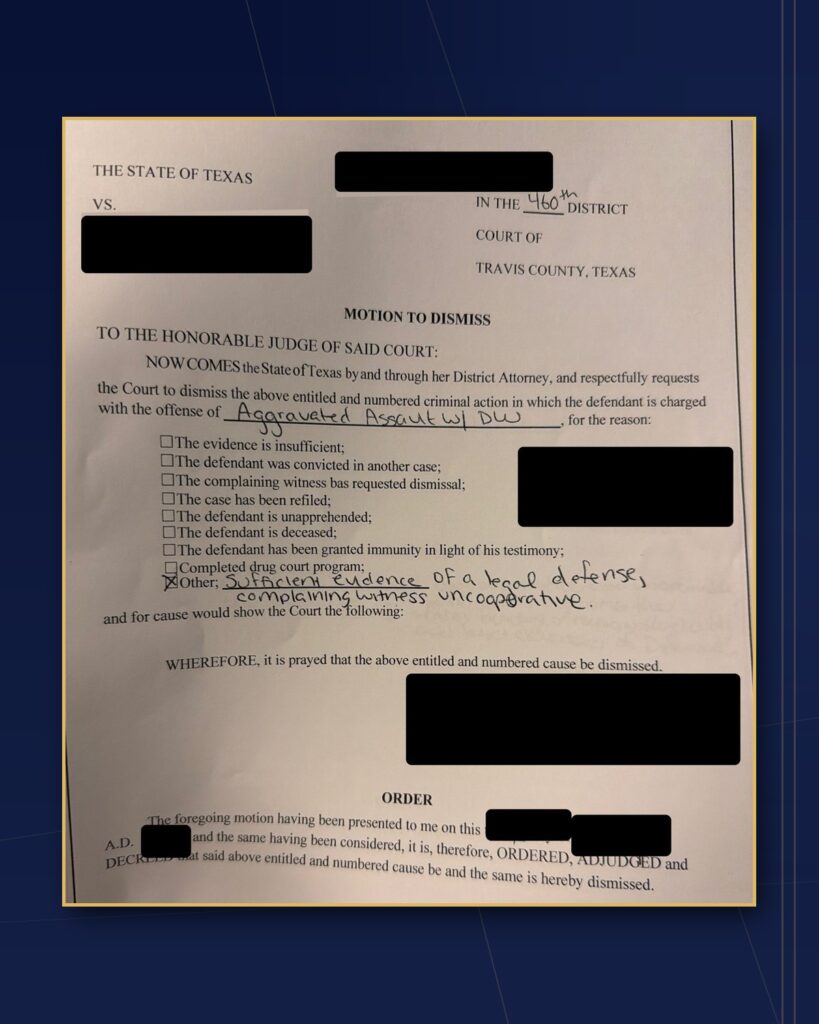
- Aggravated Assault with a Deadly Weapon, Travis County: Dismissed
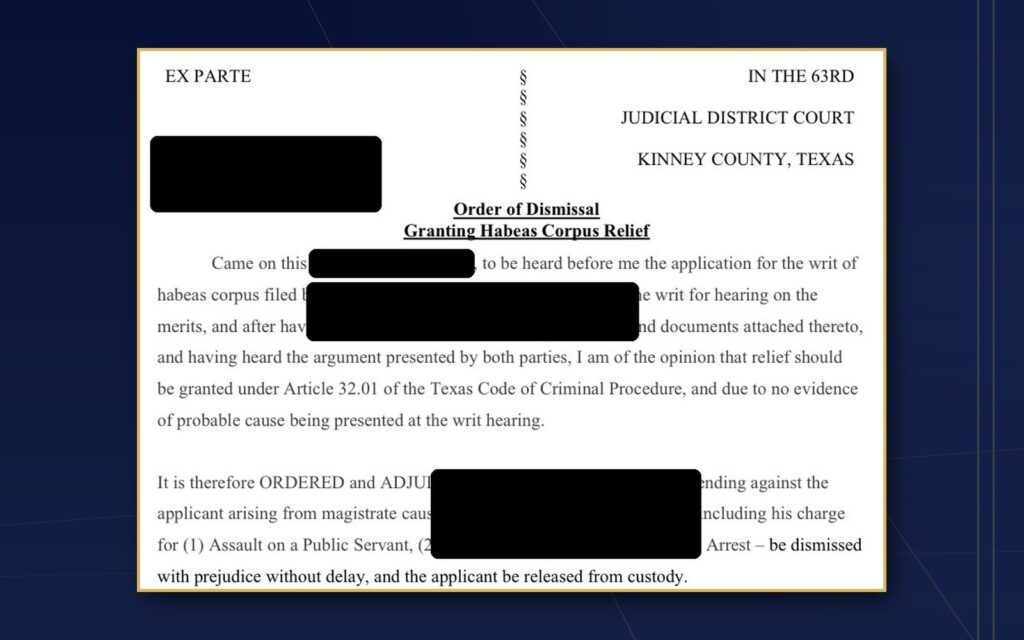
- Assault on a Public Servant, Criminal Trespass, and Evading Arrest, Kinney County: Dismissed with prejudice
Every case is different, and past results do not guarantee a similar outcome. For more serious charges, see our felony charges page; for Class A and B charges, see our misdemeanor page.
FAQ: What to Know After an Assault Charge in Austin
What is the statute of limitations for assault in Texas?
Most misdemeanor assaults must be charged within two years. Misdemeanor assault of a family or household member or dating partner has three years. Aggravated assault and felony family violence assault have five years. Most other felony assaults, such as assault on a public servant, have three years.
What if the accuser wants to drop the charge?
In Texas, the State files assault charges, not the alleged victim. Even if the person who made the report asks prosecutors to drop the case, prosecutors can choose to move forward. In Travis County, the County Attorney prosecutes misdemeanor assaults and the District Attorney prosecutes felonies. The accuser’s wishes can affect the strength of the case, but they do not automatically end it.
Is domestic violence a form of assault in Texas?
Yes. Family violence is usually charged under the same assault statute. The relationship alone does not raise the level of the charge, but a conviction comes with a family violence finding that can cost you your gun rights and affect custody. It can also make a later bodily-injury assault of a family member, household member, or dating partner a felony, even if the earlier case ended in deferred adjudication. A qualifying prior or an allegation of choking or strangulation can make the charge a felony.
Is self-defense a defense to assault in Texas?
Yes. Texas law allows you to use force you reasonably believe is immediately necessary to protect yourself or someone else. When the evidence raises self-defense, the jury must be told that a reasonable doubt about it requires a not-guilty verdict.
What to Expect When You Call
You can call us before any charge is filed. People often reach out after a fight, when a detective calls, or when they learn someone has made a report. Calling early gives us a chance to protect you before you make a statement and to preserve video before it disappears.
Your first consultation is free and confidential, and you can reach us after hours. We will listen to what happened, explain the process and what you may be facing, and tell you what to do (and not do) in the meantime.
If you can, have these ready when you call:
- Any paperwork: bond papers, a magistrate’s protective order, or a court date notice.
- The name of the officer or detective, and any report or case number.
- The county, and the cause number if charges have been filed.
- The names of any witnesses.
- Photos of any injuries you had, and a list of videos, messages, or posts that may matter. Do not delete anything, and do not post about the incident.
Do not contact the alleged victim if a bond condition or protective order forbids it. Don’t worry if you don’t have everything on this list. Call anyway.
Speak to Our Austin Assault Defense Attorneys at CMK Defense, PLLC
The sooner you call, the more we can do. Call CMK Defense, PLLC at (512) 375-3303, including after hours, for a free and confidential consultation with an Austin assault defense lawyer, or reach out through our contact page.
Reviewed by Angelica Cogliano, partner at CMK Defense, PLLC. Last reviewed October 2026.



Tell us what’s going on. We’ll help you figure out what to do next—starting today.

© Copyright 2026 CMK Defense, PLLC. All Rights Reserved.
